

Migration pressure
Families carry the cost when work, services, and opportunity feel distant from home.
Janakpurdham to Nepal
Bhumija puts practical skill development first, strengthens women’s safety and shelter pathways, and keeps elder care, cultural work, civic tools, and local support systems accountable as they grow.
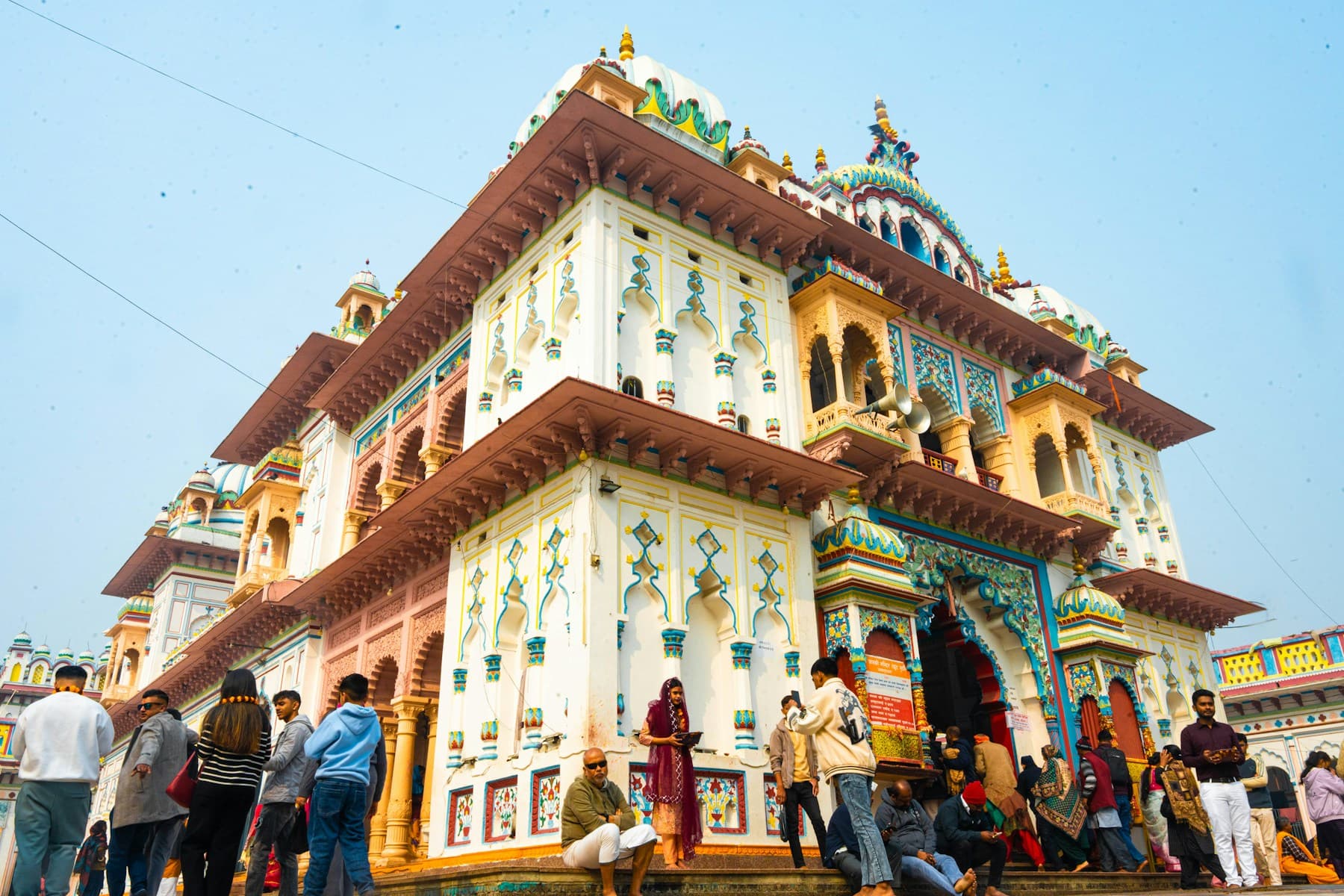
Replace with approved foundation field photography when consent and rights are confirmed.
Why Bhumija exists
Bhumija Foundation is shaped around pressures families name in daily life: distance, care, income, safety, culture, and public voice.
Families carry the cost when work, services, and opportunity feel distant from home.
Mithila knowledge and art remain visible, but the people sustaining them need stronger local value chains.
Public priorities are harder to shape when communities lack clear platforms for organizing and accountability.
Elders and caregivers need practical coordination, companionship, and trusted referral pathways.
Vulnerable women need protective routes that connect safety planning, shelter coordination, and local support.
Work streams
Each stream has a clear audience and support model, so families, partners, and funders can see where their question belongs.
See the work modelPractical routes into income, skills, and local economic participation.
Cultural preservation, Mithila art, and place-based visitor experiences.
Platforms that help communities organize, advocate, and shape public work.
Dignified care and protective services for people who need immediate support.
Programs
Skill Development now leads the public program hierarchy, followed by Women’s Safety & Shelter. Elder care, culture, visits, and civic platforms remain part of the wider accountable program map.
Start a program inquiryTraining and mentorship pathways for practical skills, confidence, and income opportunities.
Protective pathways, shelter coordination, and safety planning for women in crisis.
Day-one support service focused on care coordination, companionship, and referral pathways for elders.
Programs that support artists, cultural learning, and Mithila creative heritage.
Locally grounded cultural visits that connect guests with Janakpurdham's living heritage.
Community forums and civic tools for local priorities, public accountability, and collective action.
Atlas
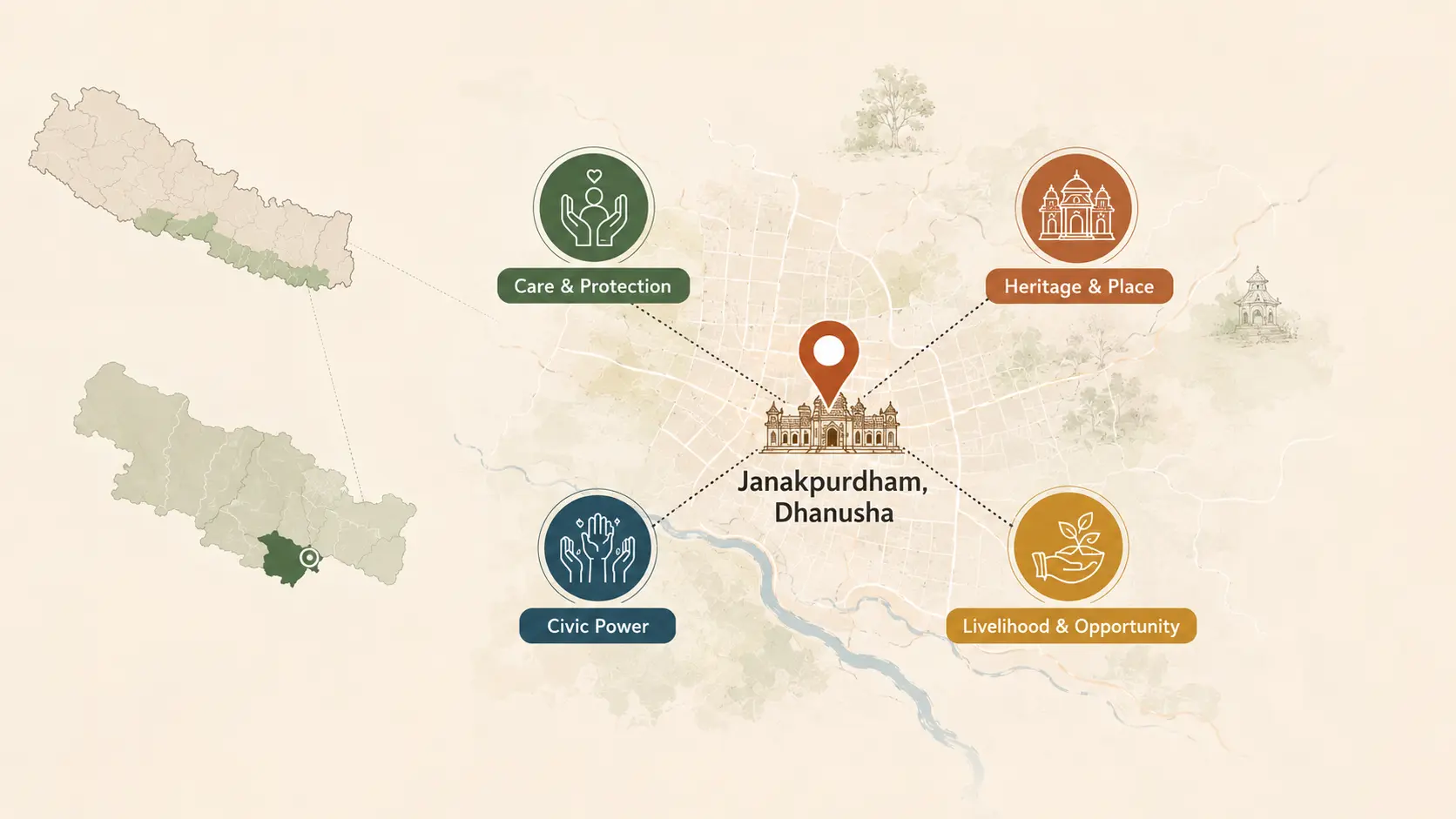
The Atlas keeps programs grounded in real locations, local relationships, visible categories of work, and future reporting.
Initial Atlas entry for Janakpurdham and surrounding Dhanusha work, covering care, heritage, civic, and livelihood themes.
Field gallery
Current images are placeholders. Replace them with approved program photography as field documentation is cleared for public use.
View full gallery.jpeg&w=3840&q=75)
A practical, browser-first training session on transcription, translation, and verification tools for 20 journalists in Madhesh Province.
Impact
Bhumija will publish verified numbers only when reporting systems and field records can support them. The first commitment is to make the structure of work, learning, and reporting visible from the start.
Current foundation-wide work areas.
Initial service areas represented on the public program map.
Publish program scope before claiming outcomes.
Separate service activity from verified impact.
Track referral pathways, safeguards, and partner roles.
Report learning honestly while early programs are still forming.
Get involved
Start with skill development, women’s safety and shelter, or elder care. Cultural participants, local partners, public-good funders, and volunteers can use the focused routes that follow.
Start a training, mentorship, sponsorship, or local skills pathway conversation.
Start a safeguarded referral or partnership conversation without sharing graphic details online.
This website form is not an emergency service. If someone is in immediate danger, contact trusted local emergency support first. Do not include graphic or highly sensitive details here.
Start with practical support for an elder or caregiver.
Enter through Mithila art, cultural learning, and place-based knowledge.
Begin an inquiry-based visitor, school, diaspora, or partner trip.
Work with Bhumija on services, programs, referral systems, or local delivery.
Support civic, safety, documentation, and access work that should stay funded for public access.
Contribute time, skill, language, documentation, outreach, or operational help.